A Scoping Workshop · 18-20 February 2026 · Hanover

Charting New Territory

Digital Humanities and AI in African Studies

A working meeting that brought together researchers from Africa, Europe and beyond. Prioritising collaboration over presentations, participants moved from assessing current practices to developing actionable strategies. The outcome: a co-authored position paper guiding the ethical integration of digital humanities and AI in African studies — more about the workshop.

participants
26
countries
16
work streams
3
position paper
1

01 — Why we met

Workshop Purpose

Although digital humanities and AI offer transformative potential for African studies, rapid adoption has outpaced critical reflection. Most AI tools remain optimised for Western languages, digitisation decisions often reinforce who controls historical materials, and African institutions frequently lack the infrastructure to participate on equal terms. This workshop brought together international experts to move beyond describing these challenges and develop concrete strategies that keep African perspectives at the forefront.

From Assessment to Action

We prioritised production over presentation. Each day, participants progressed from mapping current barriers to co-designing actionable strategies, ensuring that African epistemologies remained at the centre of this process. Daily synthesis sessions connected insights across groups.

Structured Work Streams

Three integrated work streams tackled critical intersections through facilitated dialogue rather than traditional panels: Methodological Integration, Equitable North–South/South–South Collaboration and Ethical Frameworks.

Position Paper

The workshop culminated in the drafting of a co-authored strategic roadmap. This document outlines the future direction of the field, providing practical recommendations to inform future research, funding policies and institutional decision-making.
02 — How we worked

Three Work Streams

Three integrated streams ran in parallel across the three days, each moving from documenting current practice to drafting concrete recommendations.

  1. Methodological Integration & Digital Preservation

    Adapting AI for African languages and establishing sustainable digital preservation models. Participants documented existing computational methods and infrastructure barriers, then developed technical standards and protocols suited to resource-constrained settings.

  2. Equitable Collaboration

    Designing partnership models that address power imbalances in North-South and South-South research relationships. This stream developed mechanisms for resource sharing and intra-continental collaboration, with African epistemologies at the centre.

  3. Ethical Frameworks & Digital Sovereignty

    Developing frameworks for ethical AI implementation that protect digital sovereignty and promote equitable scholarly exchange. Standards emphasised community engagement beyond consultation to true co-creation.

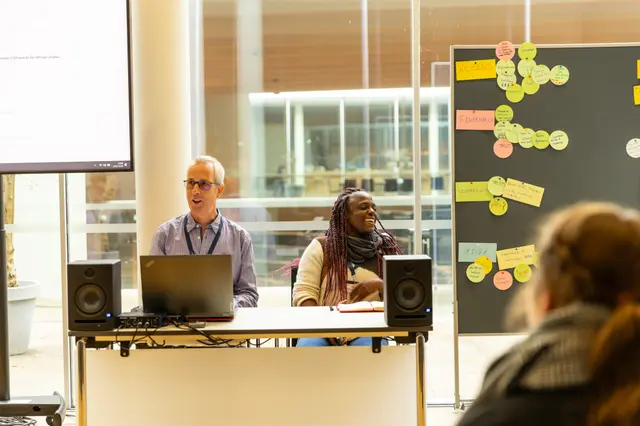
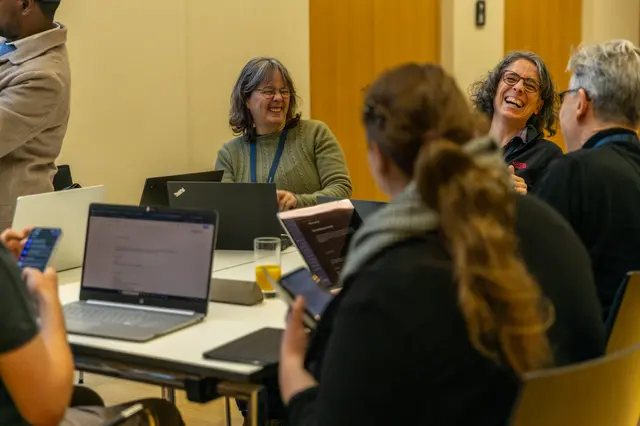
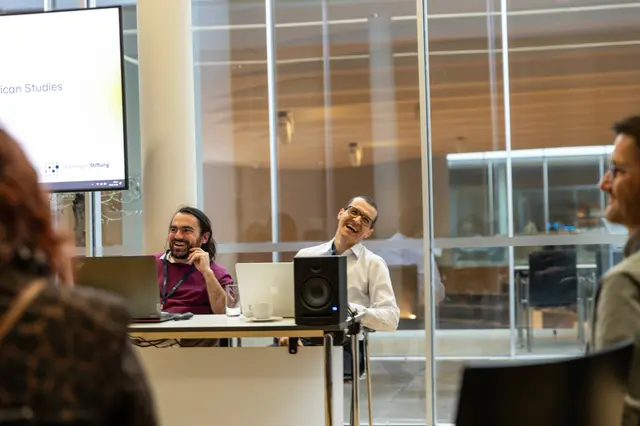
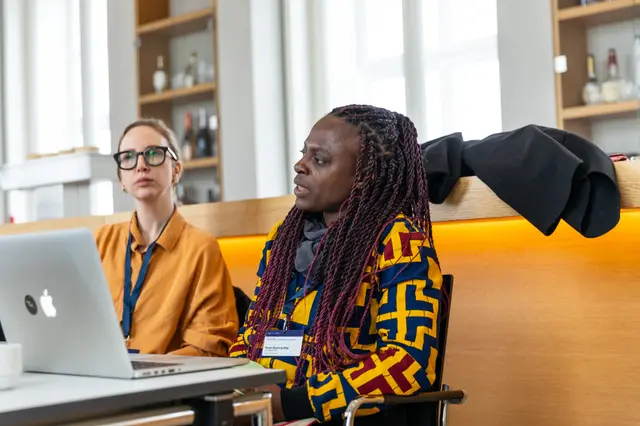
Workshop participants during Day 1 of Digital Humanities and AI in African StudiesWorkshop participants during Day 1 of Digital Humanities and AI in African StudiesWorkshop participants during Day 2 of Digital Humanities and AI in African StudiesWorkshop participants during Day 2 of Digital Humanities and AI in African Studies Workshop gallery →

This scoping workshop was made possible by the generous support of the Volkswagen Foundation.

Convened by Frédérick Madore (University of Bayreuth) and Vincent Hiribarren (King's College London).