Who was there
Participants
The 26 researchers from 16 countries who took part in this scoping workshop.
Select a pin to filter the directory below by institution.
All participants
-
Agata Błoch is an Assistant Professor at the Institute of History at the Polish Academy of Sciences and a lecturer at Jagiellonian University. She is the Principal Investigator of the project "Imperial Commoners of Brazil and West Africa (1640-1822)," funded by the Polish National Science Centre. In 2022, she received the Award for the Best Thesis on Latin America in Europe, granted by the Consejo Europeo de Investigaciones Sociales de América Latina (CEISAL). In 2025, she was awarded a certificate of merit at the IV Scientific Research Symposium of the Jean Piaget University of Cape Verde, recognizing her outstanding research in the category of Technological and Social Sciences Studies. Her papers have been published in journals such as the Journal of African History, Social Networks, the Journal of History, and Digital Humanities Quarterly, among others.
Atlantic · Brazil · West Africa
Personal website -
Albrecht Hofheinz is Associate Professor of Arab Studies at the University of Oslo, with decades-long research and humanitarian experience in the Sudan and other African contexts. He has published on Sufism, Islamic reform movements and local history in the Sudan; Arabic manuscript cultures in Africa; and social media and sociocultural dynamics in the contemporary Arab world. Among larger cooperative projects, he co-edited Brill's "Arabic Literature of Africa" and led the digitisation and cataloguing unit of the "Timbuktu Manuscripts Project" (2000-2009). Combining traditional philological expertise with innovative digital methods, he recently turned to developing AI-powered approaches for analysing Arabic manuscripts from the Sudan, addressing both opportunities and challenges of applying these technologies to endangered African archives.
Egypt · Mali · Morocco · Sudan · Yemen
Personal website -
Ashleigh Harris is Professor of English at Uppsala University and team leader of the ALMEDA project. ALMEDA collects and links data on African literary and expressive culture that does not usually get catalogued in formal archives. Harris works more specifically on Zimbabwean and South African literature, as well as print and online ephemeral literatures from across the sub-Saharan continent.
Southern Africa
Personal website -
Augustin Ndione is a researcher in Linguistics. Since 2023, he is Director of the Center for Applied Linguistics in Dakar (CLAD) at Cheikh Anta Diop University in Dakar, which he joined in 2017. His research focuses on enunciative semantics, but he also participates in the implementation of digital humanities research projects, particularly on the languages of Senegal.
Senegal · West Africa
Personal website -
Since 2019, Britta Frede has been a researcher in Islamic Studies at the Africa Multiple Cluster of Excellence, University of Bayreuth. She is coordinating the design and development of a data research repository on Islamic Africa (Islamic Cultural Archive (ICA)). From April 2022 to March 2025, she served as a substitute for the Chair of Islamic Studies in Bayreuth. Before she has been involved in several research projects conducted at the Leibniz Centre of Oriental Studies (ZMO), the Berlin Graduate School for Muslim Cultures and Societies (BGSMCS), and Humboldt University, focusing on various aspects of Islam in Africa since the 1800s. Based on her multi-disciplinary background in Islamic Studies and African History, she has published several journal articles on Sufism, Islamic education, and Female authority in African Islamic scholarly culture.
Kenya · Mauritania · South Africa
Personal website -
Cassandra Mark-Thiesen is currently serving as Acting Chair of Transregional Cultures of Knowledge at DIMAS. She previously led the junior research group "African Knowledges and the History of Publication" at the Africa Multiple Cluster of Excellence at the University of Bayreuth. She was also a lecturer in global and African history at the University of Basel. Her research focuses on the social history of labor, technology, and knowledge transfer in the 19th and 20th centuries; media archaeology; and African historical cultures.
Liberia
Personal website -
Duncan Money is an independent historian and consultant whose work focuses on the mining industry and Southern Africa. He has managed digitisation projects to identify and digitise at-risk archival material in the region in collaboration with the International Institute of Social History, Amsterdam. Currently, he is working with the Zambia Congress of Trade Unions (ZCTU) to organise and digitise historical material held by the organisation.
Southern Africa
Personal website -
Emmanuel Ngue Um is an Associate Professor of African Languages and Linguistics at the University of Yaoundé 1. His current research focuses on developing speech technologies and machine translation services to support the teaching and revitalisation of Africa's indigenous languages. He is also involved in developing an ecomuseum to preserve and promote a section of the colonial railway in Cameroon.
Benin · Cameroon · Congo · Ghana · Nigeria · Senegal
Personal website -
She is a Lecturer in the History of Empire in the Department of History at King's College London. Her research and publications focus on African history, diasporas, empires, and digital humanities (DH). She co-directs Freedom Narratives, serves as Associate Director of The King's Past, is the Principal Investigator of Historical African Childhoods (HAC), and leads Project EAP1757 in Cuba, which explores the contributions of enslaved people and their descendants to 19th-century Cuban academic and intellectual life. In addition, she is the Director of Walk With Web Co. Her work bridges historical scholarship with digital innovation and global perspectives.
Brazil · Cuba · West Africa
Personal website -
Dr. Ngom is a Professor of Anthropology at Boston University. His research interests include the interactions between African languages and non-African languages, the adaptations of Islam in Africa, and Ajami literatures (records of African languages written in Arabic script).
Gambia · Guinea · Guinea Bissau · Mali · Senegal
Personal website -
Frédérick Madore is a historian of Islam in Francophone West Africa and a Data Curator at the Cluster of Excellence "Africa Multiple," University of Bayreuth. His current work explores how AI and digital methods can transform the study of under-resourced African digital collections. He is developing the Islam West Africa Collection (IWAC), an open-access database of over 14,500 documents built on Omeka S. Using LLM-powered pipelines, he experiments with AI-assisted text extraction, named entity recognition, and sentiment analysis to process large documentary collections—while critically examining the risks of algorithmic opacity and Western-centric bias. He was previously a Research Fellow at Leibniz-Zentrum Moderner Orient (Berlin).
Benin · Burkina Faso · Côte d'Ivoire · Togo · West Africa
Personal website -
Fu’ad Lawal is the Executive Director of Archivi.ng, an organisation digitising Nigeria's newspapers, magazines and oral histories to make the nation's history accessible to everyone. His work explores the intersection of digital preservation, access, and sensemaking, with a focus on building African-centred infrastructures for knowledge. At Archivi.ng, he leads a multidisciplinary team combining archival science, storytelling, and machine learning to preserve millions of pages of history. His broader interest lies in how technology can help societies remember, understand, and imagine better futures.
Nigeria
Personal website -
Irene is a lawyer creating safer digital futures through research and advocacy in human rights and tech policy. She is an experienced legal professional with extensive experience in innovative collaborations across public, private, and civil society sectors. Irene structures and executes projects that deliver better policies and legal frameworks on public policy issues such as elections and technology. Irene is a builder of liberatory futures, rooted in integrity, imagination, and justice.
Africa
Personal website -
James Yékú, a recipient of the Alexander von Humboldt fellowship, teaches postcolonial digital humanities and African literary studies at the University of Kansas as an Associate Professor of African and African American Studies. He is the author of "Cultural Netizenship: Social Media, Popular Culture, and Performance in Nigeria," "The Algorithmic Age of Personality: African Literature and Cancel Culture," as well as two books of poetry, and a nonfiction collection.
Nigeria · West Africa
Personal website -
Janeth David Nzenga is an Assistant Librarian Trainee at Ardhi University and a master's student pursuing M.A in Information Studies at University of Dar es Salaam, Tanzania. She is passionate about exploring impacts and transformation brought by (AI) in research, teaching and learning, also how AI improve access to scholarly information through open access, and lastly developing digital archiving skills among faculty members in developing countries like Tanzania.
East Africa · Tanzania
-
Johannes Sibeko is the coordinator of Nelson Mandela University's Digital Humanities Hub and editor-in-chief of the Journal of the Digital Humanities Association of Southern Africa. His research focuses on corpus linguistics, particularly in readability studies, and on developing foundational language resources to support research in this area. He is also involved in a project scoping the landscape of Digital Humanities in Southern Africa, mapping opportunities, practices, and resources across the region.
South Africa
Personal website -
Karen Byera Ijumba has worked at the intersection of research, culture, and digital knowledge management for over 12 years; interchangeably serving as a physical and digital archivist, researcher and project manager. Her work seeks to combine marginalised and fugitive knowledges with creative and digital tools, to address knowledge gaps and issues of power in knowledge production. She holds an LLB and BA (Hons) in Heritage and Public Culture from the University of Cape Town (South Africa), and an MA in Arts and Culture Management from the University of the Witwatersrand (South Africa). She is Open Restitution Africa's Senior Researcher.
South Africa
Personal website -
Kọ́lá Túbọ̀ṣún is a Nigerian writer and linguist, author of three volumes of poetry, and the Africa editor of Best Literary Translations anthology. Fulbright writer and former Research Fellow at the British Library, Tubosun's work has been published in World Literature Today, PEN Transmissions, African Writer, Brittle Paper, etc. His work of translation and language advocacy earned him the Premio Ostana Special Prize in 2016.
Nigeria
Personal website -
Dr Leah Davina Junck is a Senior Researcher at GCG and holds a PhD in Social Anthropology from the University of Cape Town. Her research focuses on human-technology interactions and socio-technical imaginaries. Particular focus areas are intimacies, critical digital literacy, and women's and children's rights in the age of AI. She is the author of the books "Cultivating Suspicion: An Ethnography" and "Like a Bridge Over Troubled Water: An Ethnography on Strategies of Bodily Navigation of Male Refugees in Cape Town", both published by Langaa RPCIG. She is also co-editor of the "Intersections: AI in Society" Majority World Collection, published by Oxford University Press, as well as various academic papers and op-eds. Leah serves as a board member of the regional journal Anthropology Southern Africa and acts as Chair of the Commission for Digital Anthropology as part of the International Union of Anthropological and Ethnological Sciences.
Africa
Personal website -
Menno van Zaanen is a professor in Digital Humanities at the South African Centre for Digital Language Resources. He is particularly interested in incorporating the use of computational techniques in the field of Humanities. His research background is in computer science and computational linguistics.
South Africa
Personal website -
Nuraddin Aman, PhD, is an assistant professor at the Institute of Ethiopian Studies, Addis Ababa University, and currently heads the Center for Indigenous Knowledge Research. His research focuses on Ethiopian manuscript culture, ethno-history, indigenous knowledge systems, religion, and literary traditions, with over ten published articles in these areas. He leads large-scale collaborative research projects and actively teaches in the MA and PhD programs in Indigenous Knowledge Systems and Philology. His meticulous approach to research, coupled with his profound understanding of Ethiopian history and culture, has contributed a significant achievement in the field of humanity within the academic community.
Ethiopia
-
Hello! My name is Oumou Sidibé. I was born and raised in Mali. I live in New York since 2013. I am the director of the Project Women's Archives. Outside the project, I am an Elementary Teacher in New York.
Mali
Personal website -
Susan Elizabeth Gagliardi is Professor of Art History at Emory University in Atlanta, Georgia, in the US. Her first two books and related articles draw on nearly three years of study in West Africa, with a focus on western Burkina Faso, as well as archival and object-centered research in Africa, Europe, and North America. She also co-directs with Constantine Petridis of the Art Institute of Chicago the in-progress, born-digital project _Mapping Senufo: Art, Evidence, and the Production of Knowledge_.
Burkina Faso · Côte d'Ivoire · Mali · South Africa · West Africa
Personal website -
Dr Thompson Gyedu Kwarkye is an MSCA ROSETTA Fellow at the University of Galway. His project investigates African AI governance's political, ethical, and sociocultural dimensions, focusing on participatory policymaking and transnational AI standards. Thompson holds a PhD in Anthropology from Goethe University Frankfurt, an MSc in Human Security from Aarhus University, Denmark, and a BA in Political Science from the University of Ghana. He has been a postdoc at the University College Dublin and the University of Oxford, designing AI ethics and auditing courses and researching the impacts of EU regulations on Africa, respectively.
Ireland
Personal website -
Vera Breitner studied History at Bielefeld University and completed her masters degree there. She then worked in the Collaborative Research Centre (CRC) 1288 "Practices of Comparing," first as an executive assistant and later as a doctoral researcher with a project on judicial roles, rights, and women's property claims in late medieval England. She is currently a project manager at Bielefeld University Press, a publisher specialising in digital publishing and Open Access, and works at the Department of History in the field of Digital History, where she coordinates the book series Digital Humanities Research. Previously, she worked in museum documentation and exhibition projects.
Personal website -
Vincent Hiribarren is a historian of West Africa and has worked on several digitisation programmes on the African continent. He has recently created an undergraduate module on Digital History and is interested in the relationship between African Studies, Digital Humanities and AI.
Cameroon · Nigeria · West Africa
Personal website
Group 1
Language Technologies, NLP & Corpora
This group examines the challenges of developing AI tools that authentically serve African languages rather than adapting Western models. Participants bring expertise in corpus linguistics, speech technologies, machine translation, and literary metadata systems. Key challenges include building resources for under-documented languages, designing systems that respect tonal and orthographic diversity, and ensuring that language data remains under community control.
- On Data Governance
- How can African language communities govern their linguistic data and set terms for its use in AI training, rather than having it extracted for global models?
- On Modality
- What technical approaches can prioritize speech, audio, and oral genres alongside written text, particularly for languages with limited textual corpora?
- On Standards
- How do we develop metadata standards and corpus protocols that capture African linguistic features (tone, reduplication, noun class systems) without forcing them into European grammatical categories?
Participants (6)
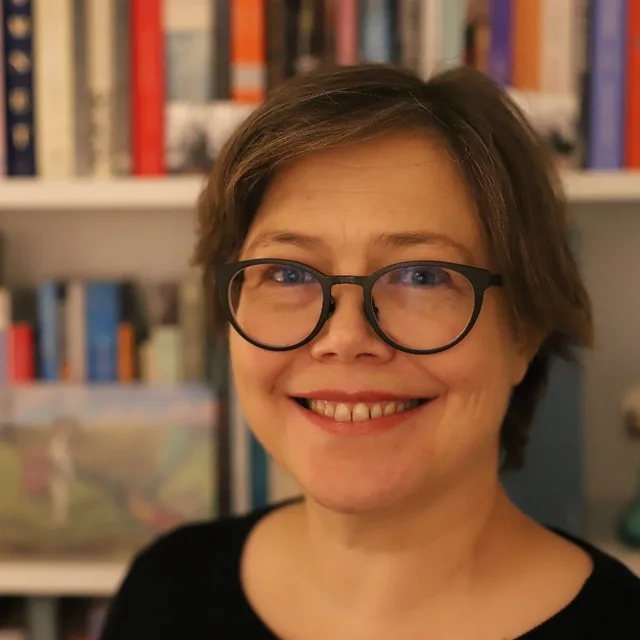 Ashleigh Harris African Literary Metadata (ALMEDA)
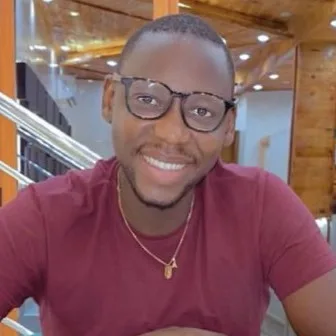 Augustin Ndione Cheikh Anta Diop University
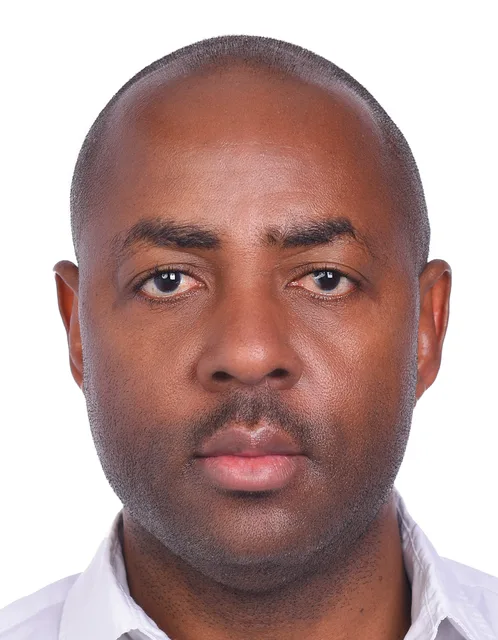 Emmanuel Ngue Um University of Yaounde 1
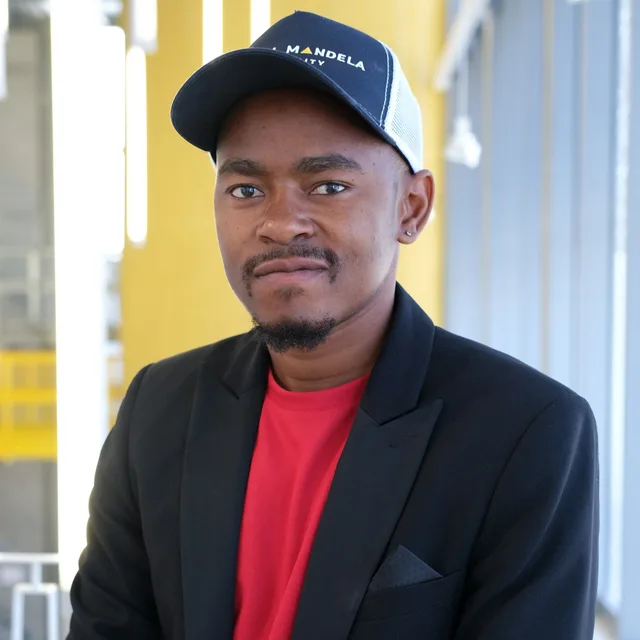 Johannes Sibeko Nelson Mandela University
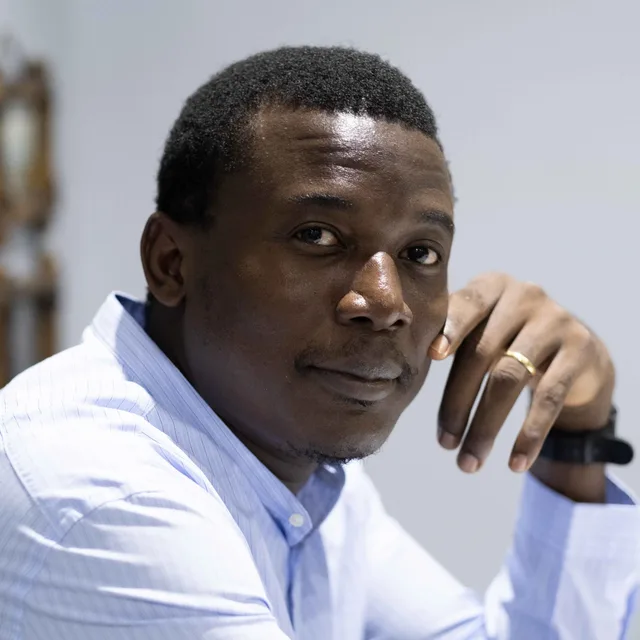 Kọ́lá Túbọ̀sún www.OlongoAfrica.com
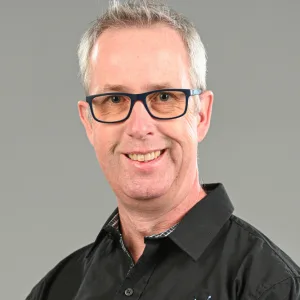 Menno van Zaanen South African Centre for Digital Language Resources
Group 2
The Archive: Preservation, Community Custody & Visual Heritage
This group addresses how digital archives can serve African communities rather than extracting heritage for external use. Participants lead projects preserving Arabic and Ethiopian manuscripts, West African newspapers, women's oral histories, trade union records, and art historical documentation. The central challenge is ensuring that digitization enhances local access and analytical capacity—not just feeds data into global AI systems.
- On Custody
- How can digitization agreements ensure that African communities retain meaningful control over access, interpretation, and future uses of their heritage, including training AI models?
- On Context
- What metadata standards and annotation practices preserve the cultural, linguistic, and material contexts that make archival items meaningful, rather than reducing them to extractable data points?
- On Sustainability
- How can archive projects reduce dependency on external funding cycles and technical platforms, building local capacity for long-term maintenance?
Participants (7)
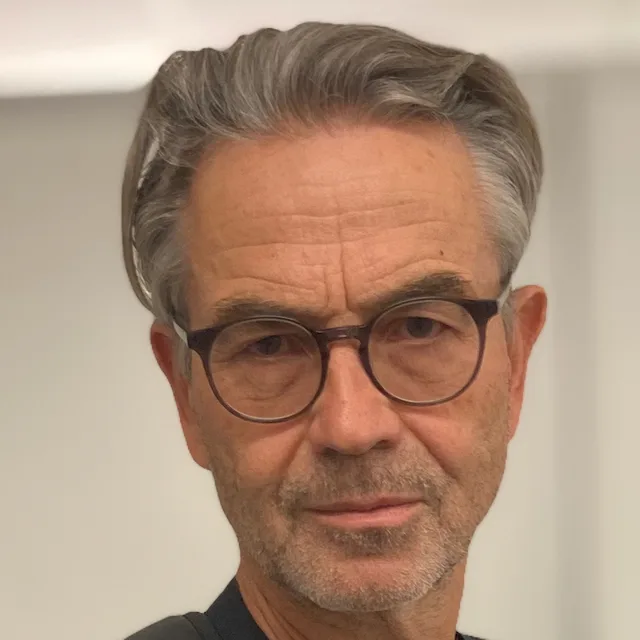 Albrecht Hofheinz University of Oslo
- Britta Frede University of Bayreuth
- Duncan Money Zambia Congress of Trade Unions (ZCTU) project
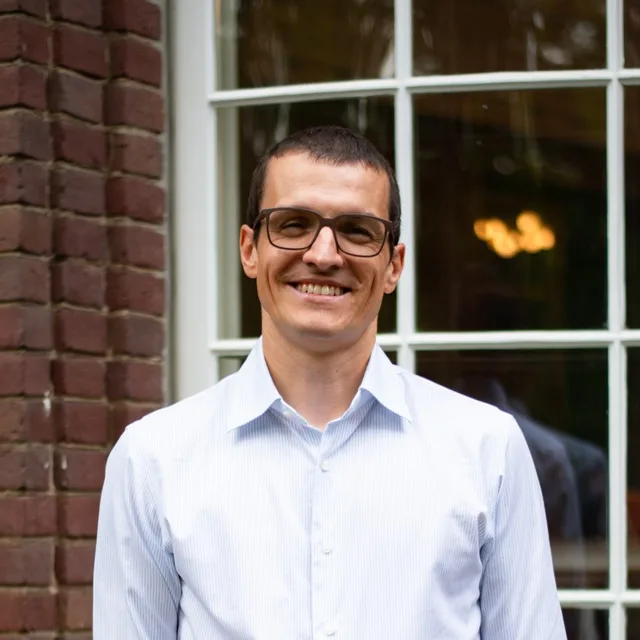 Frédérick Madore University of Bayreuth
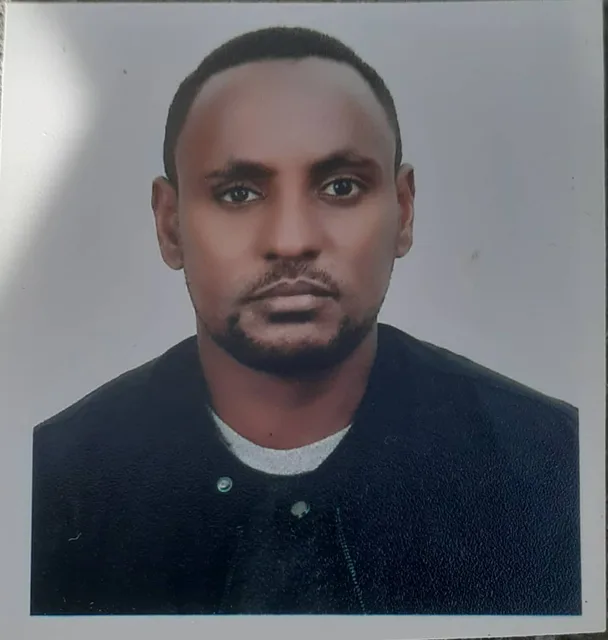 Nuraddin Aman Addis Ababa University, Institute of Ethiopian Studies
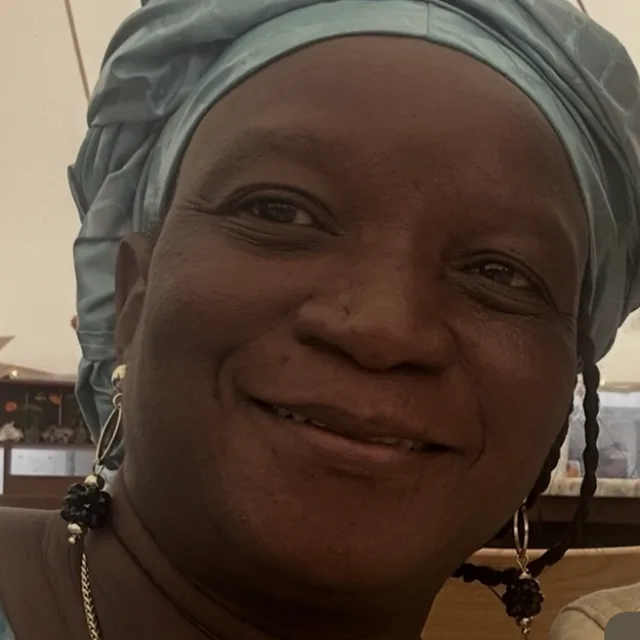 Oumou Sidibé Projet Archives des Femmes du Mali
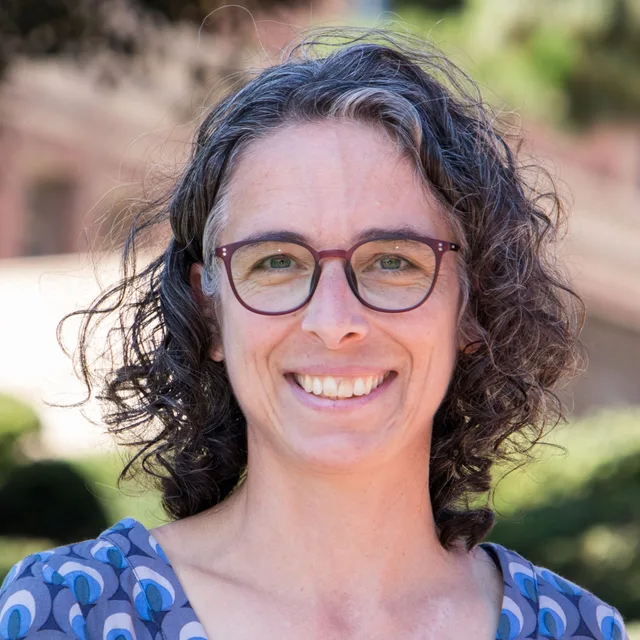 Susan Elizabeth Gagliardi Emory University
Group 3
Infrastructure, Governance & Access
This group confronts the material and regulatory conditions that shape who can participate in digital scholarship. Participants include specialists in AI governance, tech policy, library science, open science infrastructure, and digital preservation. They examine how connectivity gaps, cloud dependencies, and the absence of African voices in global AI standards constrain research possibilities, and how policy interventions can address these imbalances.
- On Access
- How can we design offline-capable and low-bandwidth tools that function effectively across Africa's varied connectivity landscapes?
- On Governance
- What regulatory frameworks can ensure that AI development in Africa serves local research needs and protects the rights of workers in data annotation and content moderation industries?
- On Sovereignty
- How can African institutions develop computational infrastructure that reduces dependency on external cloud providers and keeps research data under local jurisdiction?
Participants (6)
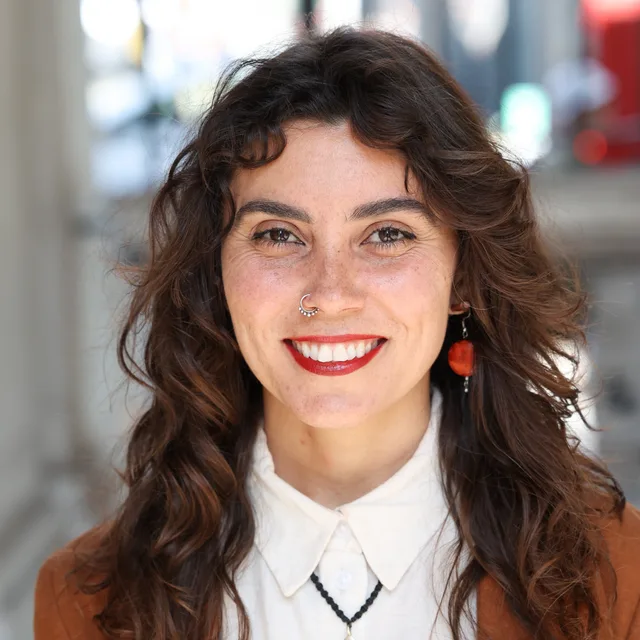 Érika Melek Delgado King's College London
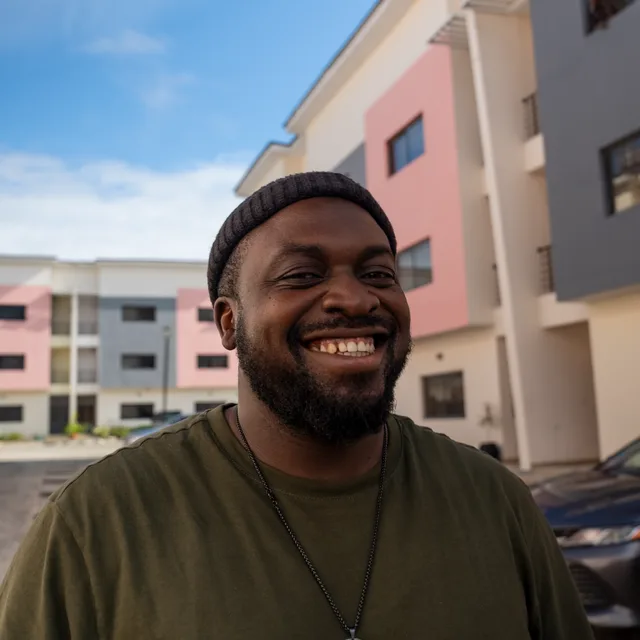 Fu’ad Lawal Archivi.ng
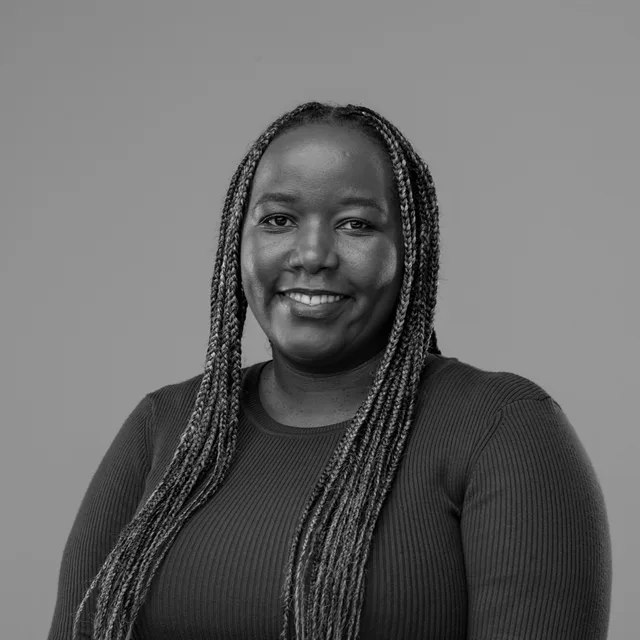 Irene Mwendwa Sulwe Labs
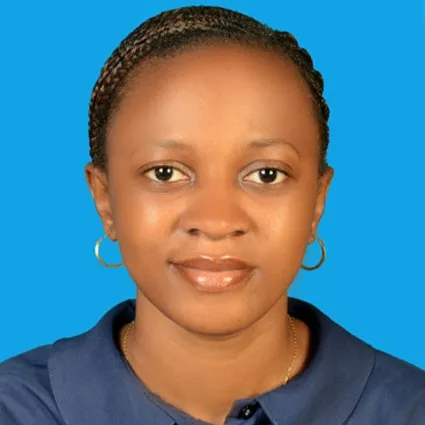 Janeth David Nzenga Ardhi University
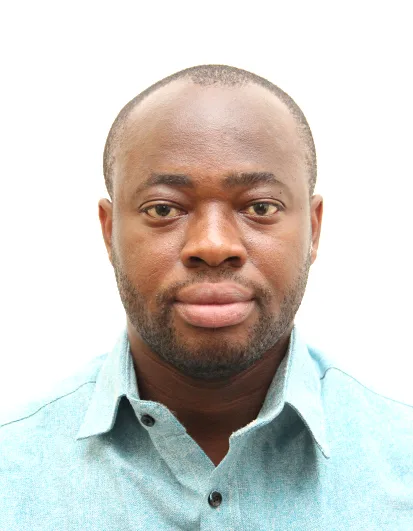 Thompson Gyedu Kwarkye University of Galway
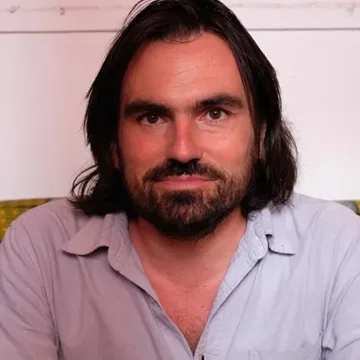 Vincent Hiribarren King's College London
Group 4
Epistemologies, Decoloniality & Ethical Frameworks
This group interrogates the assumptions embedded in digital tools and develops ethical frameworks rooted in African intellectual traditions. Participants bring expertise in postcolonial digital humanities, cultural restitution, AI ethics, and historical knowledge systems including Ajami scholarship. They work to ensure that computational methods do not simply digitize colonial categories but instead create space for African ways of organizing and transmitting knowledge.
- On Knowledge
- How can classification systems, ontologies, and AI training datasets incorporate African epistemologies—including oral, visual, and non-Western textual traditions—rather than subordinating them to European frameworks?
- On Ethics
- What protocols can prevent African cultural materials from being treated as raw inputs for AI systems while ensuring that communities benefit from any computational analysis of their heritage?
- On Relevance
- How do we evaluate whether digital projects address actual research and community needs in Africa, rather than serving external academic or commercial agendas?
Participants (6)
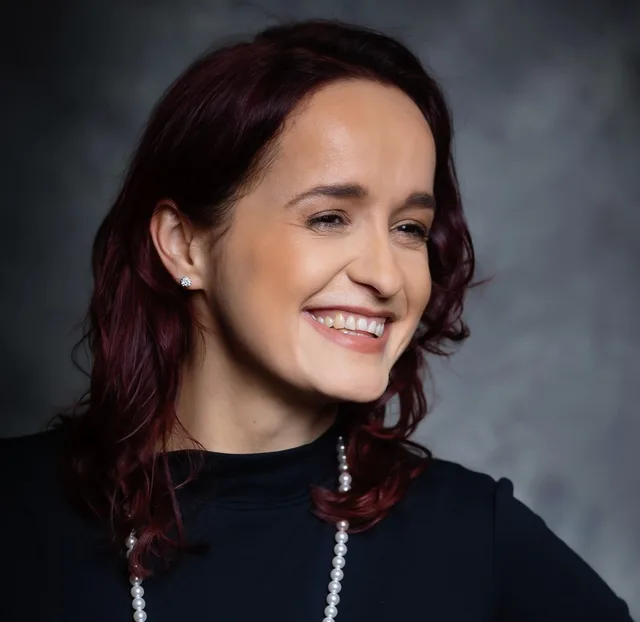 Agata Błoch Institute of History, Polish Academy of Sciences
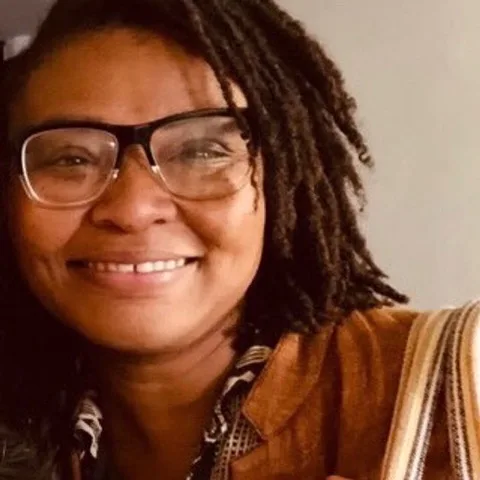 Cassandra Mark-Thiesen University of Regensburg
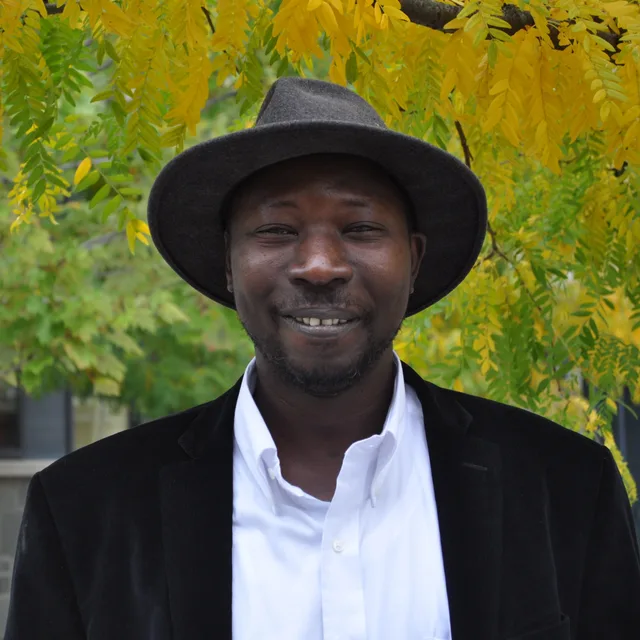 Fallou Ngom Boston University
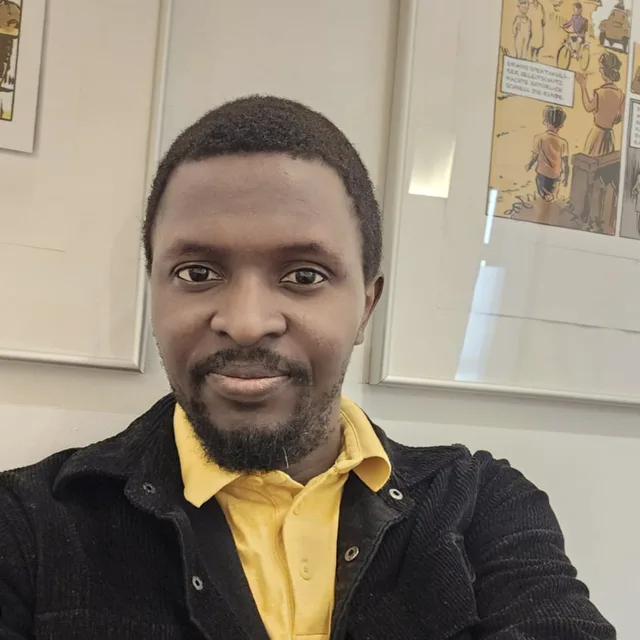 James Yékú University of Kansas
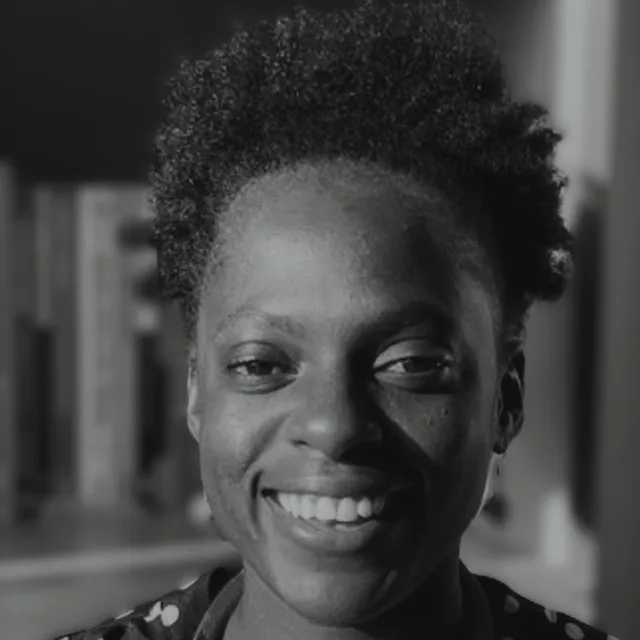 Karen Byera Ijumba Open Restitution Africa
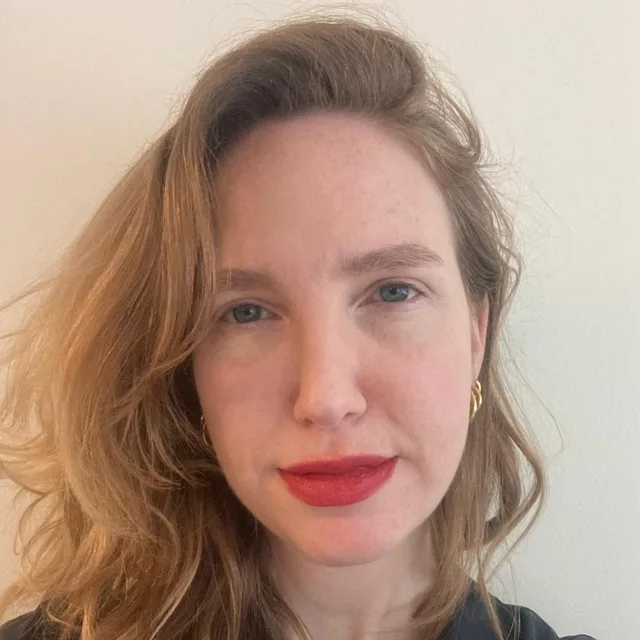 Leah Junck Global Center on AI Governance